
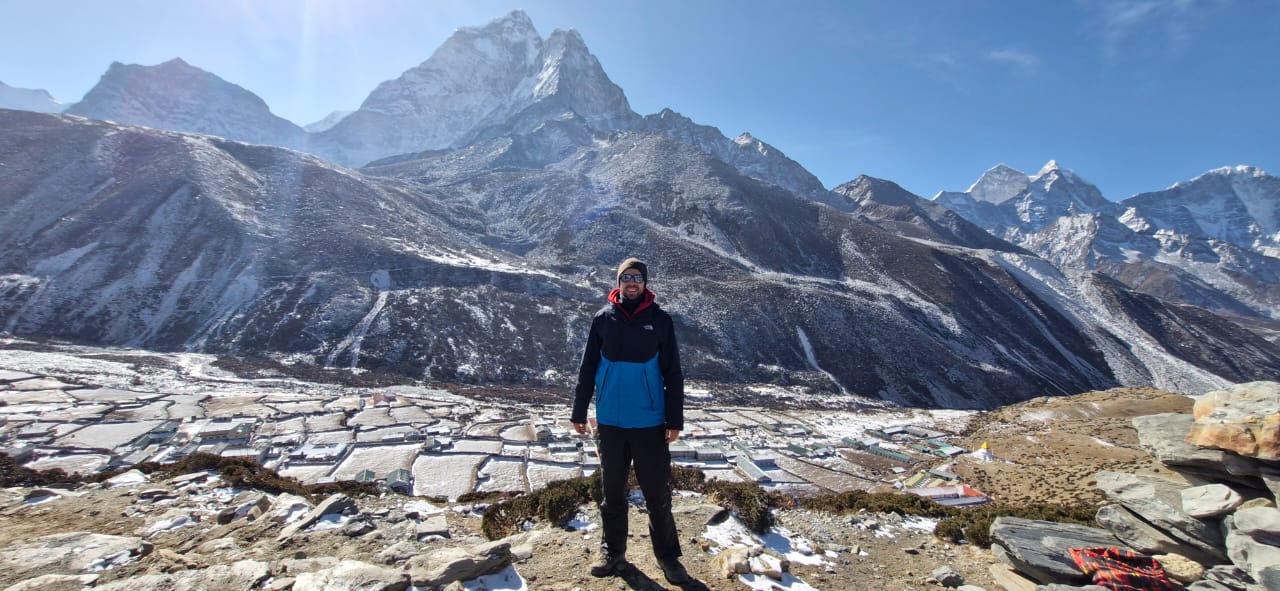
If you are looking for an opportunity to retrace the steps of famous explorers beneath the towering wonder that is the mighty Himalayas, then it’s hard to go past a trek to Everest Base Camp. But the arduous journey is not free of danger, and one of the most menacing threats is hypothermia. High aromatic Cold Night: just as in winter days on the Andes, worst with a sudden weather change. Irrespective of whether you are collaborating on the Everest Base Camp Trek itinerary or preparing for the Everest Base Camp Trek 2025, learning how to recognize and protect yourself against hypothermia is crucial.
The chill here in the Everest place can be unsparing, or even trekkers who’ve already hiked more than 1000 miles of mountains are vulnerable in the event that they underestimate its harsh conditions. Identifying the symptoms and triggers is important to achieve of successful, safe ascent from Lukla up towards the base of the world’s highest mountain.
Hypothermia on the Everest Base Camp Trek, and What it is
Hypothermia occurs when your body loses heat faster than it can make it, causing your normally 98.6 degree F core temperature to become too low. It can take place during the Everest base camp trek due to low temperatures, snow, and high winds. And soaked clothes, exhaustion, or poor layering can also hasten the process. Himalaya weather is known to change drastically and all of a sudden too: one minute you are hiking in the Everest Base Camp trek schedule under lovely sunshine, the other moment you’re stuck in cold blizzards.
It is high up, thin on oxygen in the air, and really blustery — three factors that could make you more susceptible to hypothermia. A native guide with a local agency, he will also quote you the EBC trek and remind you to stay warm and dry. Expertise what the early symptoms of hypothermia (like intense shivering, confusion, slurred speech, or loss of coordination) are is critical in heading off fatal outcomes.
How Trekkers Are Risking It on a Popular Route to Everest
The conditions on the Everest Base Camp trek are extreme, even for those with the right kit. Whilst you climb to Tengboche, Dingboche, and Lobuche, which are at higher altitudes where the air is much thinner, and the temperature drops considerably (especially during nights or early mornings). Many trekkers are surprised by how cold it can get when you’re over 4,000 meters. With all the long walking days from the Everest Base Camp Trek Schedule, it can also be hard for your body to control temperature. It is preparing and looking; it’s getting ready.” Trekkers coming back and those travelling with a local company to do the Mount Everest Base Camp trek, be sure that the problem is reconciled before flying from Kathmandu – prevention lies in knowledge + preparation.
Presentation and Progression of Hypothermia
Hypothermia is probably the biggest threat to your safety on the Everest base camp trek, so recognizing it early is a must. Shivering and cold, numb fingers are the first signs of mild hypothermia, symptoms that may not seem particularly serious — but should never be dismissed. A person can be confused, have slow speech and/or movement, or feel clumsy. In the most severe cases of hypothermia, there is lethargy, a weak pulse, and coma. So just a reminder, as you embark on your Everest Base Camp trek from Kathmandu, during your EBC Trekking, chances are high that you would constantly be reminded to keep an eye out for other trekkers since early detection is, by no surprise, observed and not of self–awareness. Knowing the distinction can help save lives. If you’re having symptoms, stop the activity, seek warmth, and ask your guide or team for assistance. Early response will retard the course of the disease.
Precautionary Tips To Avoid Getting Hypothermia In Everest Base Camp Trek
The best defense against hypothermia is prevention.” Spend rightly on proper layering clothing to make the warmest and comfortable attire for your EBC trek schedule. Avoid cotton — it retains water and will cool your body faster. And most Everest Base Camp trekkers in 2025 root for expandable and compressible down jackets that keep heat sealed away, but won’t be a burden to carry. Also, keep your head, hands, and feet warm as you lose the most body heat from them. Following the Everest Base Camp trek tips from your guides keeps you prepared for temperature changes and weather conditions that you will encounter further on the trail.
Avoiding hypothermia through planning and advice.
By selecting an organised and well-planned Everest Base Camp trek package, you’re at less risk with the right number of acclimatization days, recommended gear, and local know-how. Jeremy Town, Andover, Mass.: Good trekking companies ensure that guides know cold, how to monitor people for hypothermia, and get help if needed. We have guides with us, which is a significant help for those of us who haven’t been at high altitudes, especially. And if you’re hiking with a local company, they often deliver pre-trek briefings on layering systems and how to react in an emergency.
It’s also worth your while to have an awareness of something on the Everest base camp trek route map so you can anticipate where the chilliest places on the trail are, like Lobuche and Gorakshep, as the temperature in both of those locations during the night may decrease up to -20C. With proper gear, a well-informed guide taking good care of you, hypothermia chances will be kept at bay effectively for an enjoyable and safer experience ithe n the Himalaya.
Climate And Adaptation In The Process Of Trekking To Everest Base Camp
Everest-area weather can change rapidly. The temperatures can drop at any time, even during the Everest Base Camp trek best time—usually from March to May and September to November. And be prepared for snow or win, rain or rain that pops up at any second. While doing the EBC Helicopter return trek, you might get to witness the reflection of the weather moving along with height. Regardless of the weather, if you have good Everest Base Camp trek permits, you can successfully use the huts. All of those can help you stave off hypothermia, so it’s smart to be flexible on the trail — adding layers, cutting your day short, and taking rest breaks sooner rather than later. The Himalayas offer good karma to those who respect their power, and experience is the pilgrim’s ally against sudden cold.
Final Thoughts: Staying Safe and Warm in the Himalayas
Everest Base Camp Trekking is an incredible trek that demands our courage, time, and presence. It is important to manage cold exposure when doing this safely. Getting to the signs of hypothermia early and getting snug and dry, plus watching that Everest Base Camp trek itinerary closely – it was potentially a lifesaver. Listen to the guidance of your Everest base camp guide, provided you are not going against what your body is saying, and do not be foolhardy in underestimating how cold it can get. When you walk with a local company, you are also adding another layer of security by keeping professional help at the touch of your fingers.
When planning an Everest base camp trek 2025, take into account that you should wear suitable clothing, check the weather forecast, and allow time to rest. The adventurous trip is one you won’t forget, and for a phenomenal experience of a lifetime, be ready to take on whatever comes your way. If you’re prepared properly, your impending trip to Everest is going to be fine and memorable, but not a battle against hypothermia.